
Therapy for Asian Americans
& First Generation Immigrants
Living between expectation and identity
As an Asian American or child of immigrants, your struggles may feel deeply personal and difficult to explain to others.
Many of my clients feel caught between two sets of expectations—their family’s cultural values emphasizing duty, sacrifice, and unspoken responsibility, and their own desire for individuality, emotional openness, and independence.
This constant push and pull can be exhausting and confusing.
You may struggle with deep-seated resentment rooted in patriarchal cultural norms, guilt related to socioeconomic mobility, imposter syndrome, cultural alienation, workaholism, or codependency.
Over time, these experiences can contribute to anxiety, depression, people pleasing, substance abuse, and burnout.
You don’t have to suffer alone. Together, we can work on loosening the guilt and shame so you can begin to feel more satisfaction in all the things you’ve accomplished.
Because there is just this life to live.

Immigrant family expectations
Many Asian Americans and children of immigrants feel pressured to take care of their parents in their old age, driven by obligation and guilt rather than open discussion and planning.
Some feel that their parents "own" them, expecting something in return for their sacrifices as immigrants to America. This can lead to feelings of unmet expectations and resentment.
Other people often experience -
Undiagnosed and untreated mental illness in a parent—particularly chronic anxiety—can significantly shape and control the entire family system.
Cultural values that discourage divorce or separation can contribute to hostile or emotionally disconnected marriage in the parents, shaping children’s early models of love, attachment, and relationships.
Perfectionism and unrealistic expectations can add to the stress, especially when self-worth becomes tied to academic achievement and external validation—validation that may no longer come as consistently in the workplace as it once did in school.
Shame silences
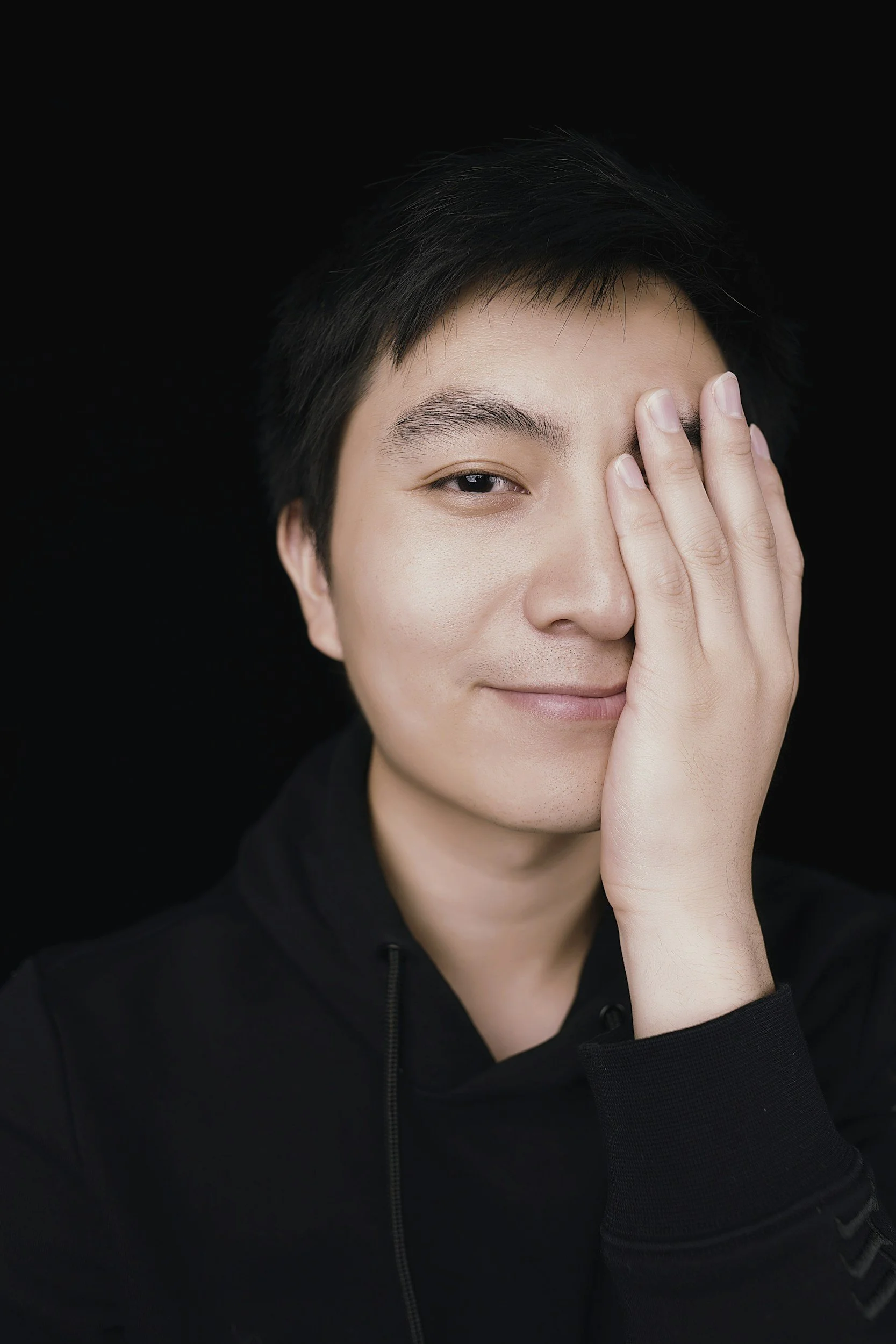
If there’s one thing I want Asian Americans and children of immigrants struggling with their mental health to hear, it’s this: there is nothing inherently wrong with you.
Shame has a way of making people feel isolated, defective, or alone in their suffering when, in reality, many others carry similar experiences quietly and privately.
While some of these experiences may be specific to Asian American families and immigrant dynamics, the effects of growing up in emotionally difficult or dysfunctional environments are universal. Anxiety, depression, perfectionism, emotional disconnection, and addictive behaviors are often adaptive responses to chronic stress, criticism, instability, or unmet emotional needs.
Healing begins with understanding these patterns differently—not through shame, but through insight, compassion, and self-awareness. If you’re ready to begin that process, I’d be happy to help you explore whether therapy with me feels like the right fit.